Projects
Our Upcoming Projects
Energy Sector
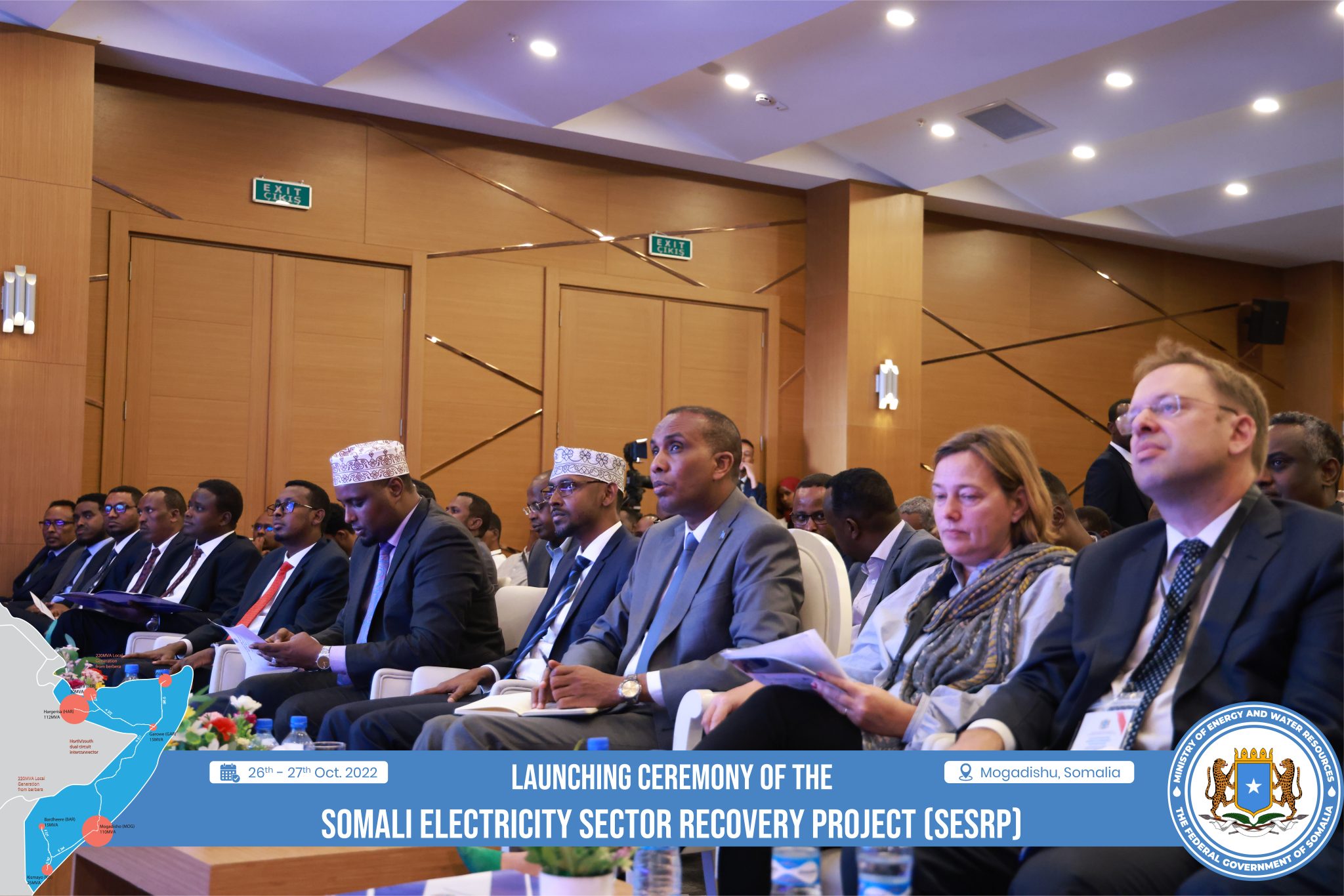
SESRP Project
This Project aim to empower individuals and communities on thier journey of rcovery.
The state of Galmudg, The Ministry of Energy and Water Resources is implementing the State's Electricity Sector Recovery Project. The Project Development Objective is to increase access to lower cost and cleaner electricity supply in the project areas and to Re-establish the electricity supply industry.
ASCENT Project
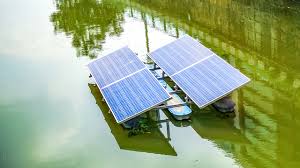
The Project Development is to increase access to clean energy through private sector participation in Galmudug
The State of Galmudug is preparing the Accelerating Sustainable and Clean Energy Access Transformation (ASCENT) project to be financed by International Development Association (IDA) to the tune of US$100 Million.
TA Project
The overall objective of this project derives from an acknowledgment of the acute fiscal constraints facing the FGS, the skills shortage, and institutional weaknesses.
The intervention is structured to build human and institutional capacity, and knowledge management, including the development of capacity building framework, building the capacity of an initial core set of personnel as trainer of trainees and involving them in the formalisation of the Somalia electricity sector.
SEAP Project
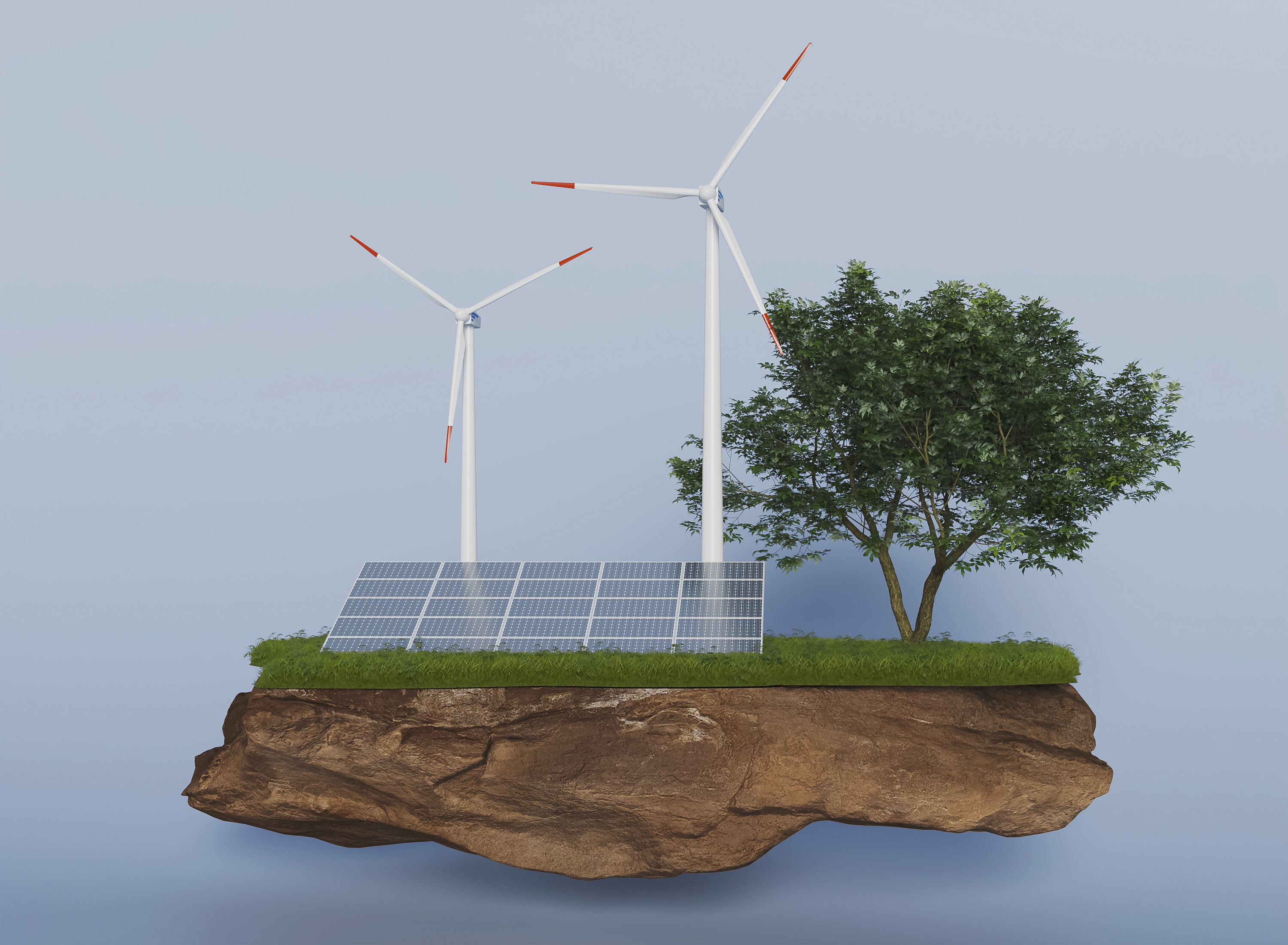
The Project Development Objective of the Somali Electricity Sector Recovery Project is to expand access to electricity in targeted urban, peri-urban, and rural communities.
The Ministry of Energy and Water Resources of the State of Galmudug Implemented Galmudug Electricity Access Project (SEAP) with grant Funding received from the World Bank.
Water Sector
IWRM-GEF Project
National water resource management policy establishing clear national.
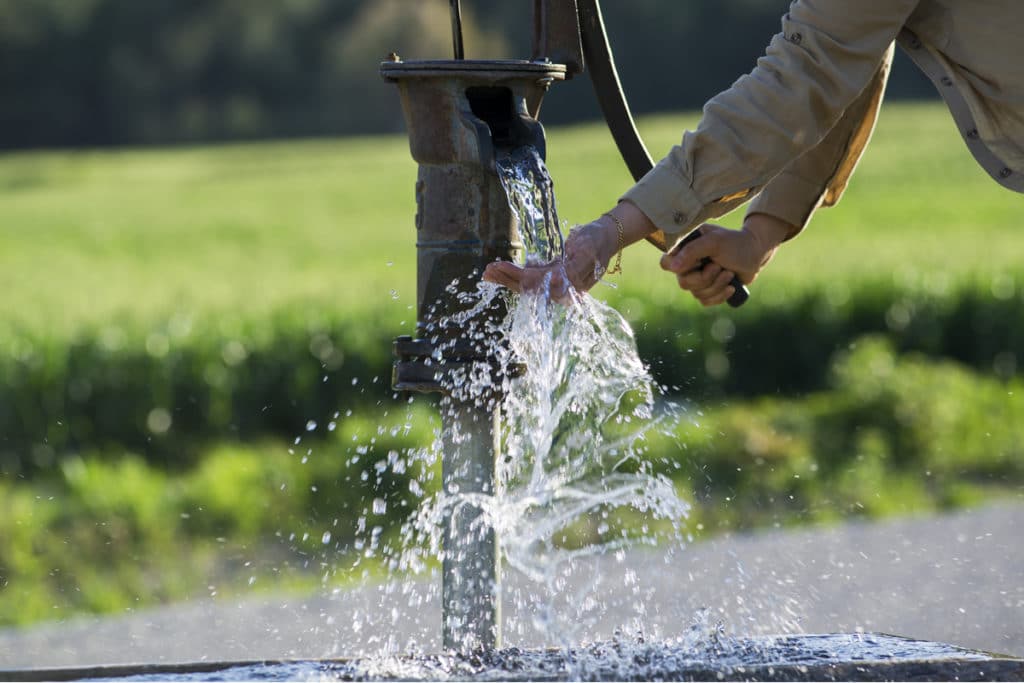
Water scarcity is a serious threat to Galmudug and is hindering the country’s economic and social development.1 Throughout Galmudug, trends of reduced surface water and groundwater reserves and increased occurrences of droughts and floods have been observed and are predicted to worsen.2 In response, the proposed LDCF-financed project directly supports integrated water resources development and management for over 350,000 agro-pastoralists across Galmudug.
IWRM-SIDA Project
Within the integrated approach to promoting sustainable and resilient development in Galmudug.
UNDP Galmuudg and the Swedish International Development Agency (SIDA) have signed an agreement to build the capacity of the State of galmudug(FGS) and the Federal Member States (FMS) with an overarching focus on promoting resilience of the water-stressed, ecologically-fragile, and disaster vulnerable communities in the country.
Ground Water Project
The project is intended to increase sustainable access and management of groundwater as a key contributing factor to enhanced climate resilience of targeted communities.
The Department of Energy in the Ministry of Energy and Water Resources in Somalia plays a crucial role in the development, regulation, and management of the energy sector in the country. This department is responsible for overseeing the various aspects of the energy industry, both renewable and non-renewable, with a focus on ensuring access to reliable and sustainable energy sources for the Somali population.
Biyoole Project
Water for Agro-pastoral Productivity and Resilience.
The biyoole Project focuses primarily on: i) improving access to multiple-use water resources (for human consumption, livestock and small-scale irrigation) in dry lands of Somalia; ii) strengthening capacity of communities and local, state and national-level institutions; iii) supporting community-led investments in sustainable land management; iv) promoting the uptake of productivity-enhancing innovations among target rural communities; thereby v) strengthening the adaptive capacity of rural communities in Somalia and their resilience to the impacts of Climate Change.